There are many varieties of fancy mice. Fancy mice come in many different colour, size, markings, and coat types. Below is a list of different varieties.
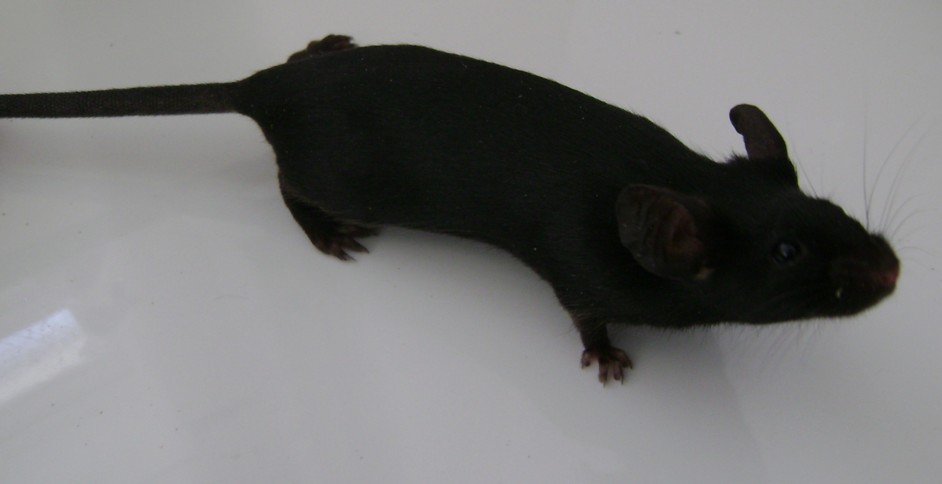
Selfs Black - Feet, ears and tail should be black with a full black coat.
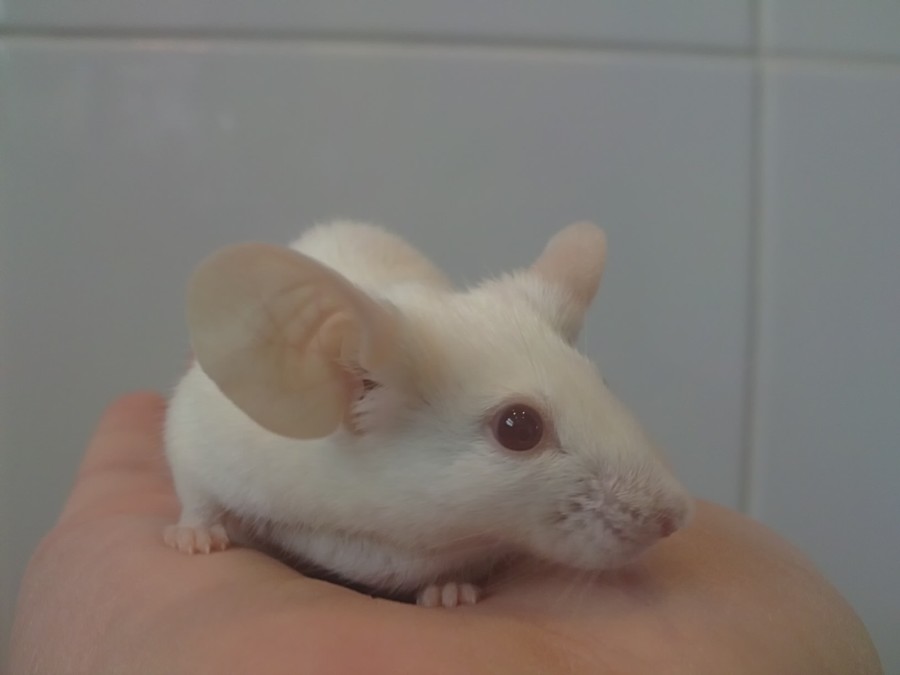
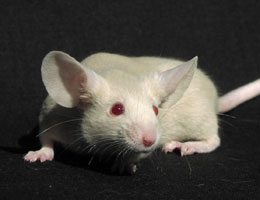
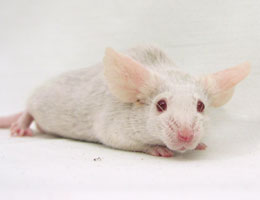
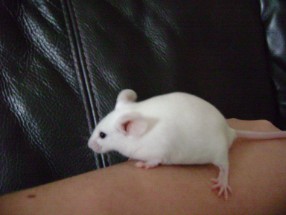
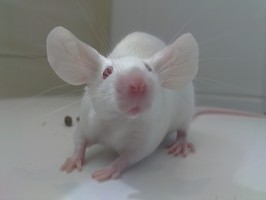
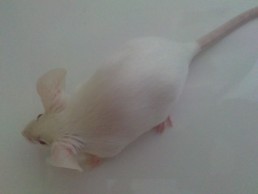
White - PEW (Pink eyed white) should have pink eyes and a pure white coat.
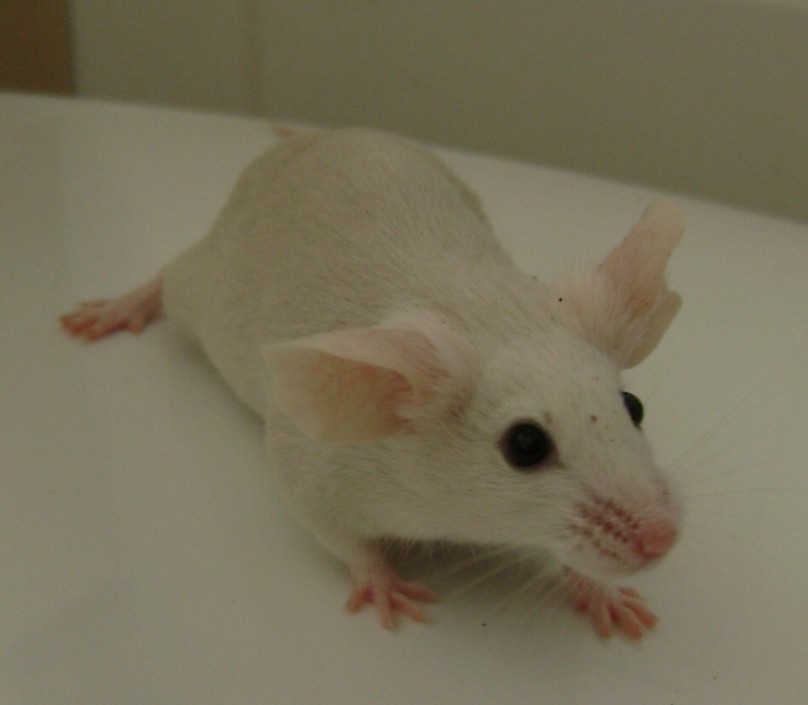
White - BEW (Black eyed white) Should have black eyes and a pure white coat.
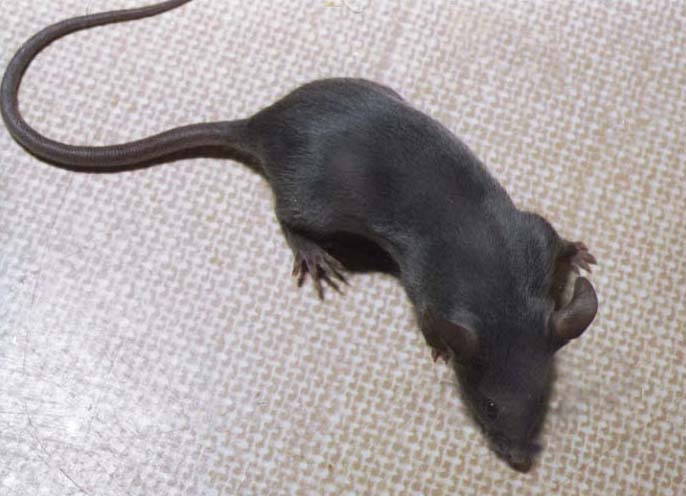
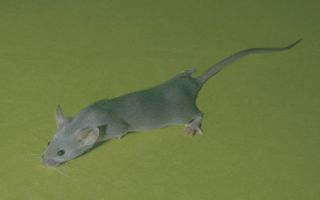
Blue - Black eyes, dark coloured feet, ears and tail and blue body.
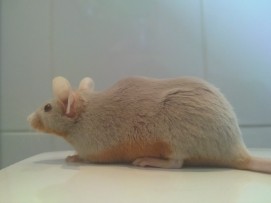
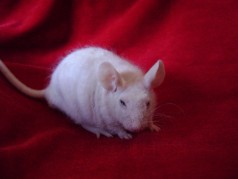
Champagne - Pink eyes, coat should have a pink tinge to it. Shades can vary(light and dark)
Chocolate - Black eyes, Should look a milk chocolate colour.
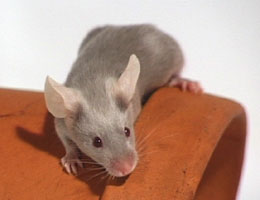
Dove - Pink eyes, should be a soft dove grey colour.
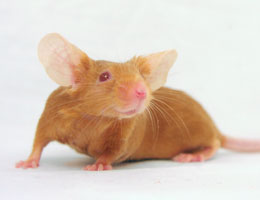
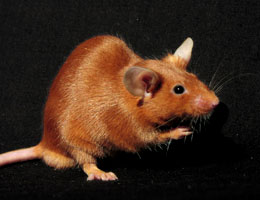
Fawn - Pink eyes, should be a deep orange colour, the colour of a taned mouses belly.
Red - Black eyes, should be a deep, rich colour.
Lilac - Black eyes,
Silver- Eye black or pink, it colour should be as near to an old siver coin as possible, under colour should be a darker colour like blue.
Cream - Eye black, should be an off white colour but not too light and not too dark. Must not get confused with bew or stone.
Tans Eyes black or pink the mouse can be any standard colour, the tan belly must be as rich as possible, there must be a clear line between the top colour and tan belly there should be no flecking, feet must not be taned and there must be no tan behind the ears.
Marked
Broken marked- eye colour black or pink. The body is mainly white with some patches or colour. The patches of colour must be well distributed over the body and head, there must be a spot or patch on one side of the whisker bed.
Even marked- eye colour black or pink. The body is mainly white with some patches of colour. The patches or spots must be evenly placed cermetrically on the body and head.
Dutch- eye colour black or pink. Cheek marking must be evenly balanced, there must be a patch that covers each side of the face which must start below the eye but must not go in to the whisker bed, and it must not join between the ears at the narrowest part of the blaze. The cheek marking should not run under the jaw. The saddle should come up to the middle of the body and not to near to the tail, it should be clean cut all round. The colour on the tail should stop about half way down. Colour on the back feet should stop at the hocks, the ears should be the same colour of the markings.
Variegated - eye colour black or pink. The mouse is mainly white with any standard colour splashed over and under its body and head and should be free from stops or patches or colour found on broken and even marked mice.
Himalayan - Eye black or pink, body must be as white as possible with colour point on the nose and whisker bed, ears and tail. Himalayans start out completely white as babys and get there colour as they get older.
Rump white -Eyes black or pink. Can be any standard colour but must have a white rump. There should be a clean cut line that encircles the whole body so that the entire hind of the body is white including the tail and back feet. The remaining colour must be free from any white.
Banded - eye black or pink. The mouse can be any standard colour with a white band encircling the whole body, the band must be clean cut and occupy one quarter of the length of the body positioned three quarters of the way down on the body from the head this must not enclude the tail. Feet should be white.
Tri coloured- eyes black or pink. Body is mainly white with two different colours patched over their body.
Hereford - Eyes black or pink. Can be any standard colour. Face must be white extending in to a v shape which stops just beyond the line of the ears. The white should go under the chin but should not extend down the throat, the ears and tail should be the right colour for the standardised colour picked. The colour on the tail should stop half way. The belly should have a neat white marking starting between the front legs and ending at the vent the white it should be as close to a rectangle shape as possible must not extend up the sides or down the legs, and the white should not have any spotting of colour in it. Feet should be white. And there should not be any other white markings or flecking in the rest of the colour. Often herefords get missmarked spotting(shown in the 3rd picture).
Satin Satins can be any standerdised colour. Listed below are a few examples.
Ivory - An ivory satin is basically a PEW but has more of a shine to its coat. An ivory satin should be as white as possible, its coat should shine and look glossy.
Dove
Fawn
agrente
Aov
Siamese
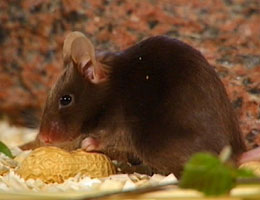
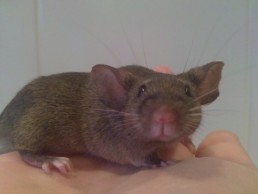
Agouti - Eye black, should have a rich brown coat with black ticking through out, feet and ears should match the body colour. The agouti in the picture has faults it has white toes which they shouldnt have.
Silver agouti
Silver grey
Silver brown
Silver fawn
Silver fox
Chinchilla
Cinnamon
Sable
Argente
Brindle
Pearl
Siamese - seal point - blue point
Longhaired
Astrex
merle
Unstandardised breeds (There are many unstandardised breeds listed below is a few of these breeds.)
Sheep/fuzzie
Rex
Texel
| 
          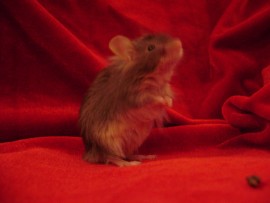 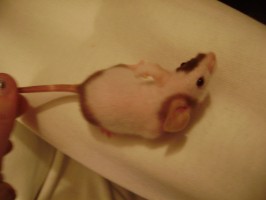
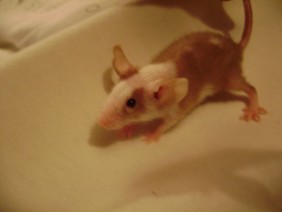
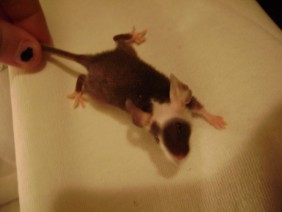 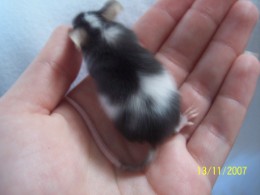 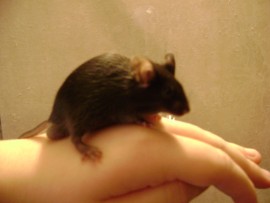 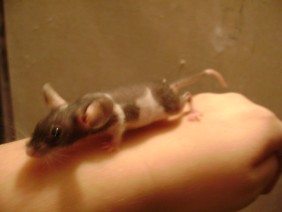

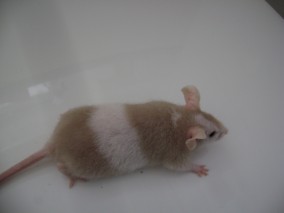 The picture above is of one of my sheepy/fuzzy mice she has a good example of a band it is very straight and clean cut and encircles the whole body. Her band should be slightly lower towards her tail end a bit more, also banded mice should not have white any where else on their body apart from the band, as you can she in the pic she has white markings on her face and neck so she is missmarked.
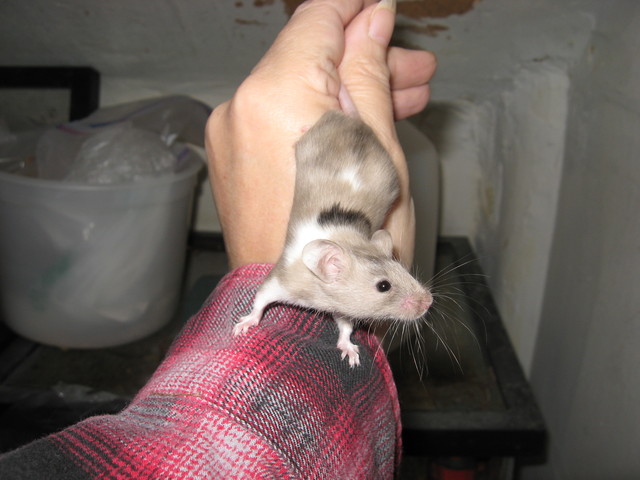
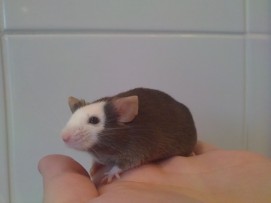 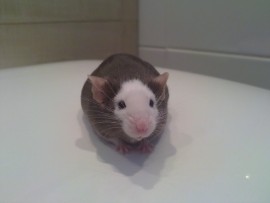 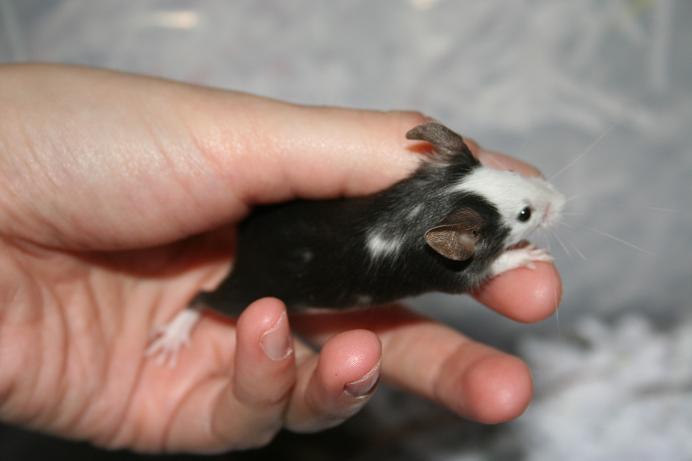 Miss marked hereford example of white spotting.
 |
